From Wiesbaden to the World: MEDIAN Germany Study Sets New International Standards in Amputee Rehabilitation
From Wiesbaden to the World: MEDIAN Germany Study Sets New International Standards in Amputee Rehabilitation
The MEDIAN Rehabilitation Centre Wiesbaden Sonnenberg in Germany has unveiled pioneering research findings at two major international congresses this summer, setting new benchmarks in the field of amputee rehabilitation.
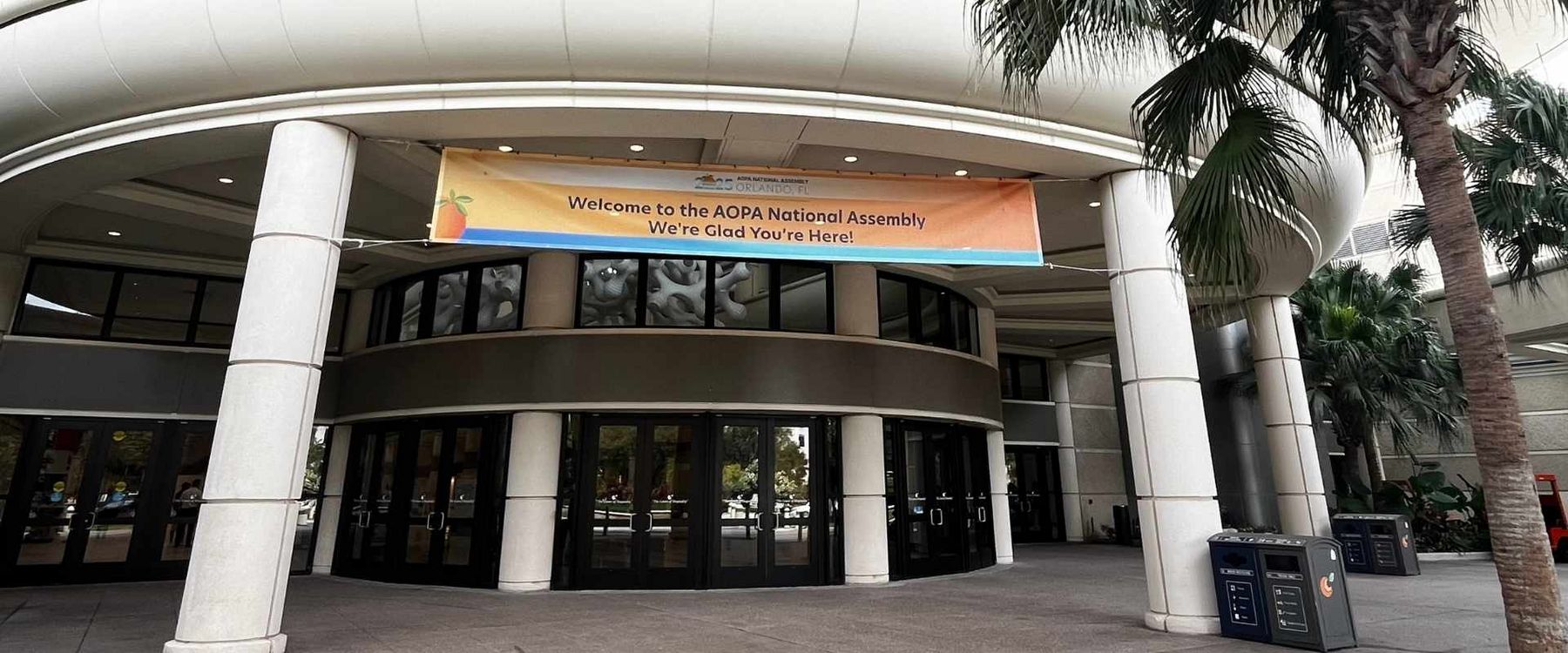
At the ISPO World Congress in Stockholm and the AOPA National Assembly in Orlando, researchers from the centre presented studies on specialised rehabilitation for individuals with above-knee amputations and the use of microprocessor-controlled knee joints (MPKs).
The studies demonstrated that after just 40 days of targeted rehabilitation, patients with low initial mobility levels were able to achieve mobility scores that had only been documented previously after years of ongoing care. The key to this breakthrough lies in the early fitting of electronic knee joints specifically designed for this patient group.
“Our results clearly show that specialised rehabilitation programmes are not a luxury, but a medical necessity,” said Dr Johannes Schröter, Medical Director at MEDIAN Rehabilitation Centre Wiesbaden Sonnenberg. “Only when rehabilitation and modern prosthetics are considered together from the very beginning can we achieve lasting improvements in mobility, safety and quality of life.”
Relevance for the USA and Germany
In April 2025, a paradigm shift took place in the United States: for the first time, electronic knee joints are now routinely reimbursed for patients with mobility levels I–II. This decision brings the US into alignment with a standard of care long established in Germany. MEDIAN’s research was presented at a pivotal moment, as future models of care are being shaped, and was met with strong interest from the international professional community.
For Germany, the findings also carry important implications. While electronic knee joints are already well integrated into practice, rehabilitation durations often fall short of recommended guidelines. Instead of the advised six to eight weeks, many patients currently receive only around three weeks of rehabilitation following an amputation.
“Our research clearly demonstrates that such a short rehabilitation period is insufficient to secure sustainable mobility gains,” explained Natascha Raisig, Research Associate at MEDIAN Rehabilitation Centre Wiesbaden Sonnenberg.
Conclusion
With these contributions, researchers from Wiesbaden are making a significant impact on the modernisation of international rehabilitation practice. Their findings close a long-standing evidence gap, reinforce the vital role of rehabilitation within the overall care pathway, and underline Germany’s pioneering position in amputee care worldwide.